Warehouse lighting is a straightforward engineering problem with an expensive failure mode: get the optics or spacing wrong and you either overspend on fixtures and energy, or leave rack faces in shadow and slow down picking.
Start with the racking plan, not the fixture
The single biggest driver of fixture choice is whether you are lighting open floor area or racked aisles:
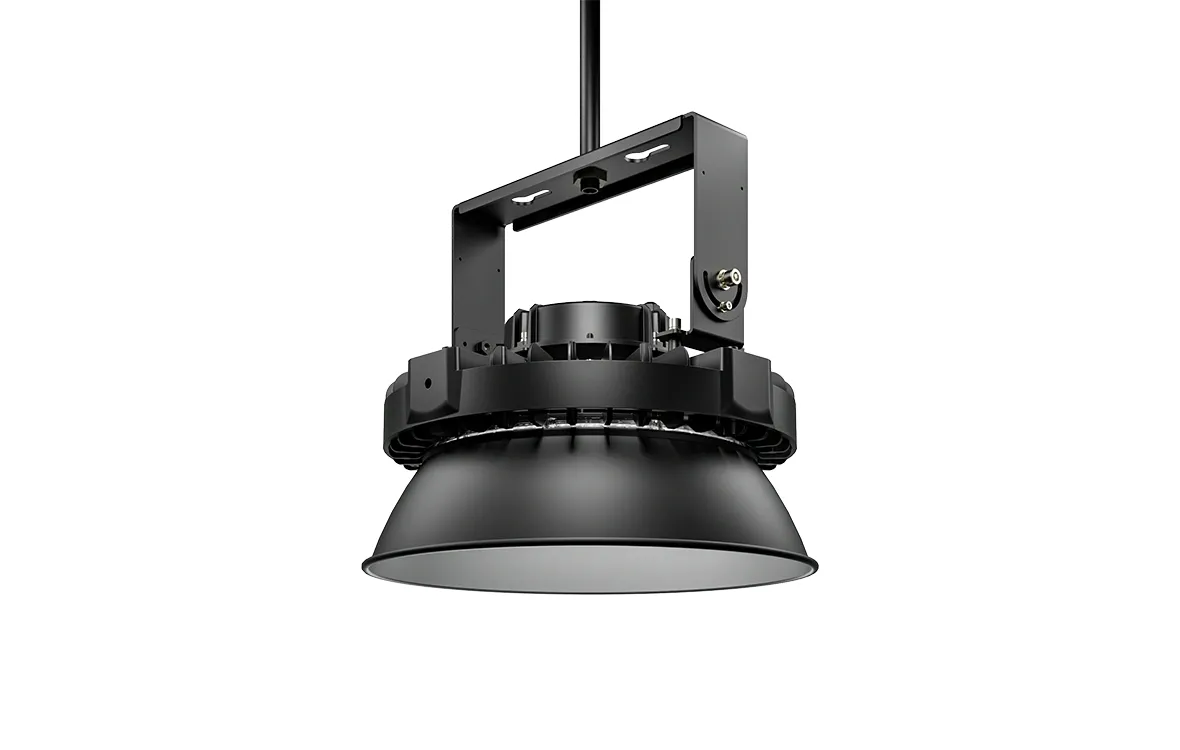
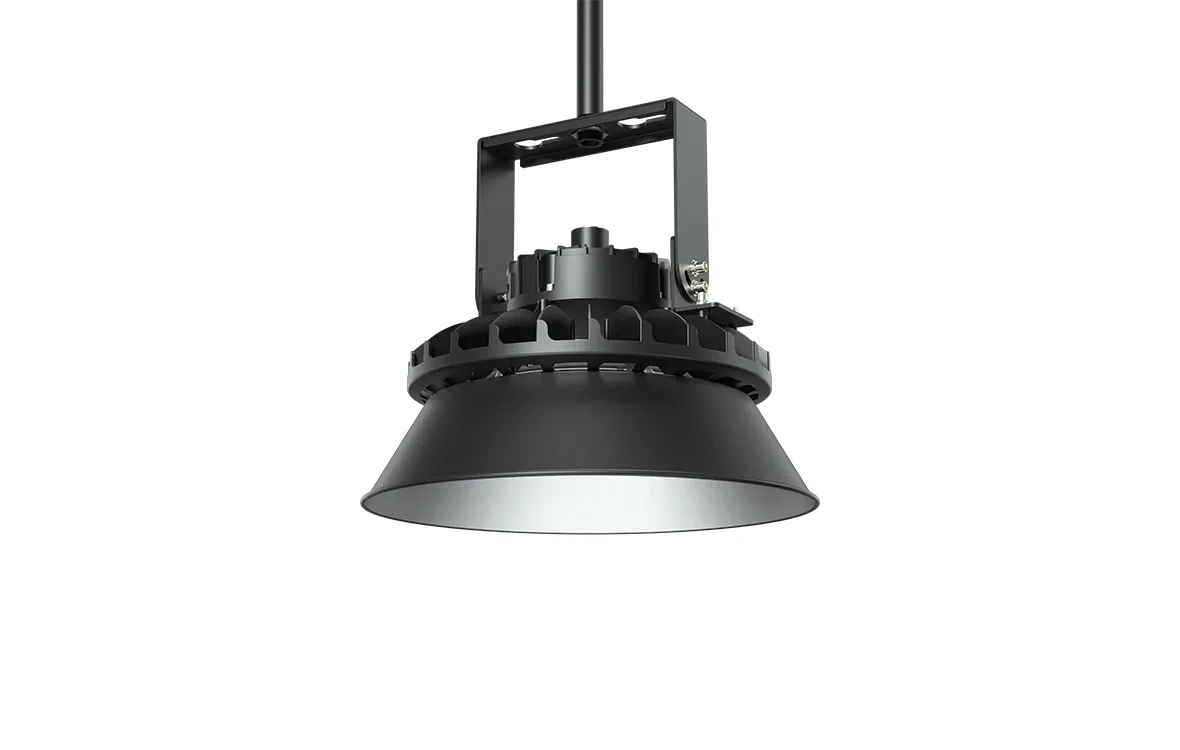
- Open floor (staging, cross-dock, assembly): round UFO high bays with 90–120° optics on a regular grid are the most cost-effective option. Wider beams at lower mounting heights, narrower at 12 m and above.
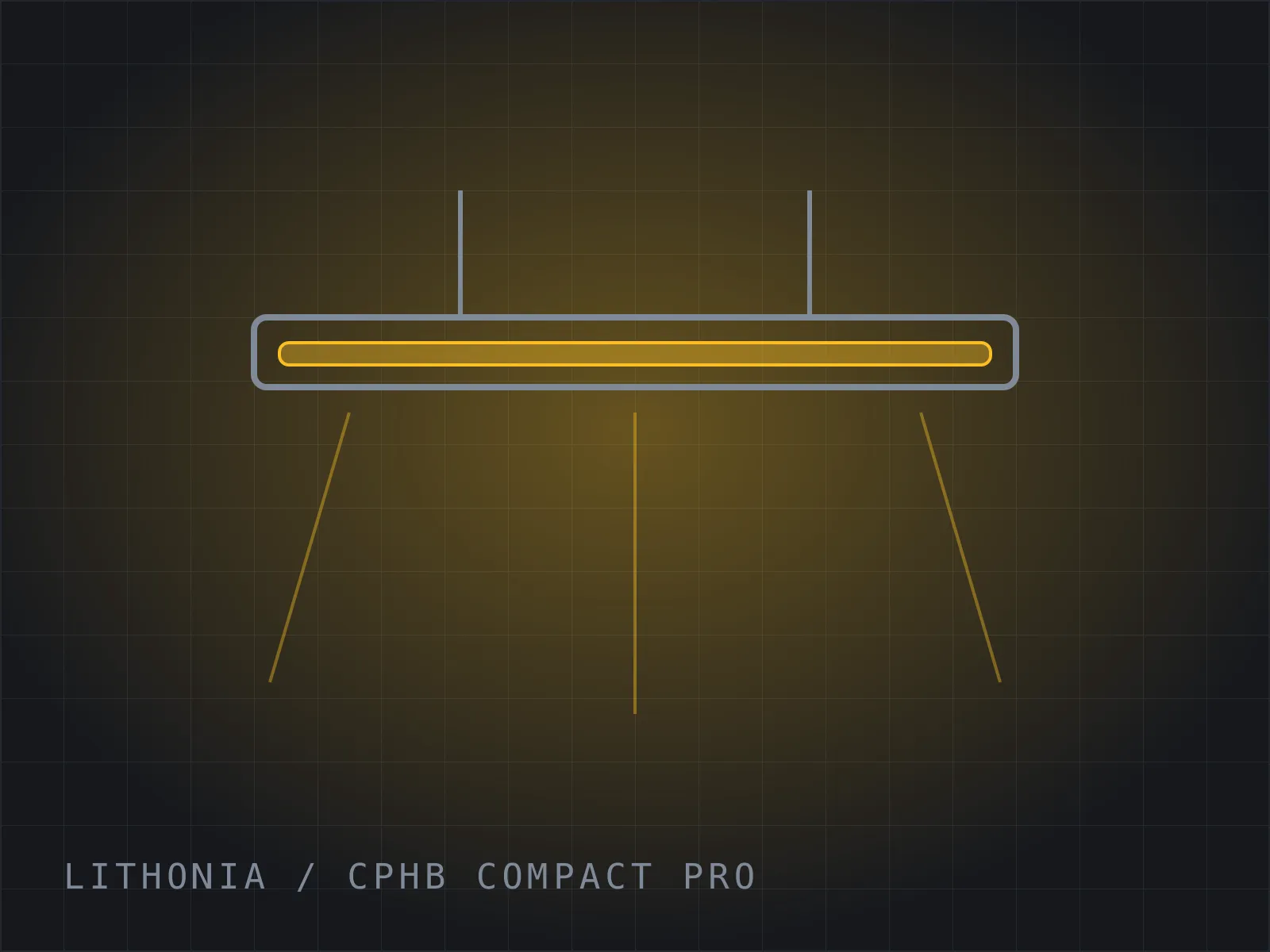
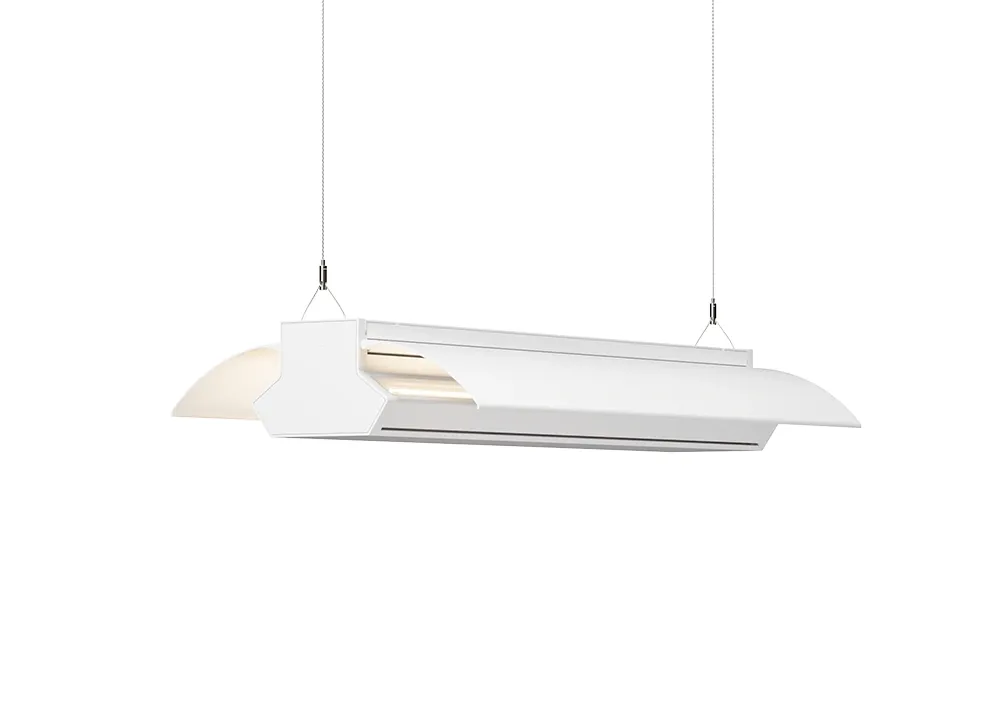
- Racked aisles: linear high bays with batwing (double-asymmetric) optics aimed down the aisle light vertical rack faces far better than round fixtures. Vertical illuminance is what pickers actually read labels by.
Lux targets that hold up in audits
For most general storage, design to 150–200 lux average at floor level with uniformity (min/avg) of 0.4 or better. Picking and packing zones should reach 300 lux; fine-detail inspection areas 500 lux. Cold storage adds a constraint: verify fixtures are rated for the ambient temperature — standard drivers fail early below -20 °C.
Controls pay for themselves quickly
Warehouse aisles are unoccupied most of the time. Per-fixture or per-aisle PIR sensors that dim to 10–20% (rather than switching off) typically cut lighting energy 50–70% without the relamping stress of hard on/off cycling. If the roof has skylights, daylight dimming compounds the savings. DALI-2 systems make the sensor zoning reconfigurable when the racking layout changes; 0–10V is cheaper and fine for static layouts.
What to look for on the datasheet
- L70 lifetime ≥ 100,000 h — relamping at height is expensive; fixture life is a labor cost decision.
- Efficacy ≥ 150 lm/W at the fixture level (not the chip level).
- 10 kV surge protection if the site has poor power quality or exposed supply.
- IP65 even indoors — dust sealing keeps optics clean and output stable.